
Learn by doing
ESP32 Learning Guides
Start with Mission Journeys — fun step-by-step builds for kids and beginners. Reference Guides are here when you want extra background.
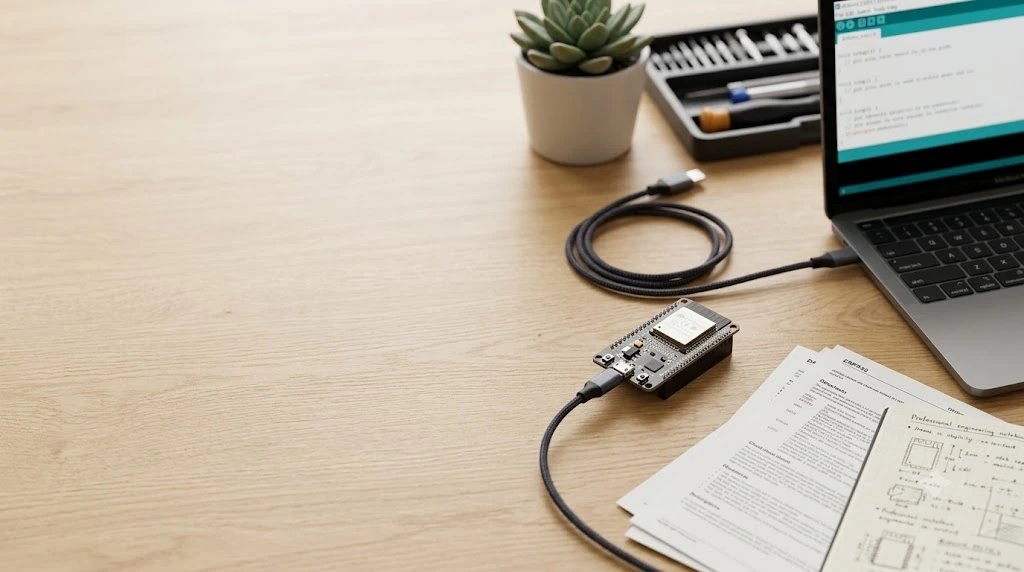
Mission Journeys
16 hands-on missions with stories, safety tips, wiring, code, and practical challenges — start here if you're new.
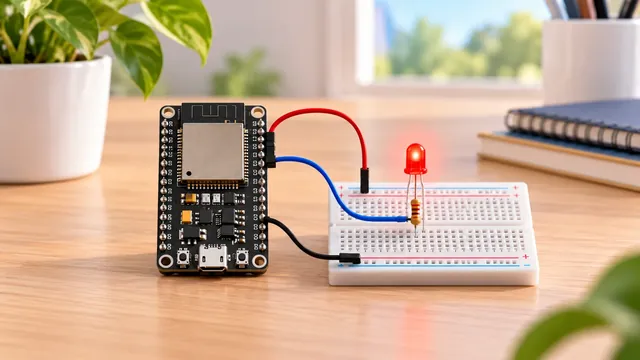
Blink an LED with ESP32
Your first real ESP32 project — one LED, a few wires, and code you write yourself. Let's make it blink!
Start Mission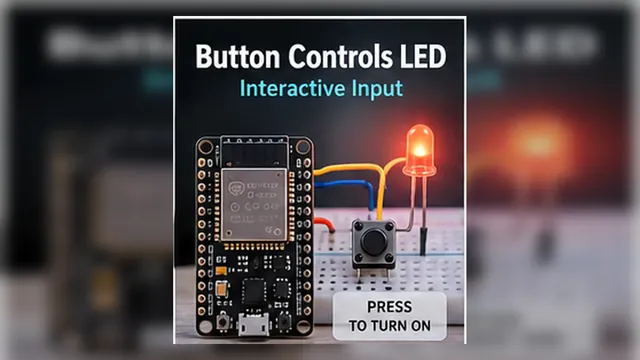
Button Controls LED with ESP32
Connect one side of a push button to ESP32 GPIO27 and the other side to GND, then use INPUT_PULLUP so released reads…
Start Mission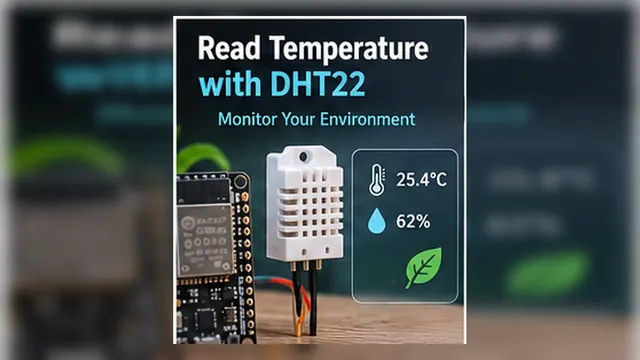
Read Temperature with DHT22
Build a real ESP32 room sensor with the DHT22. You will wire power, ground, and one data pin, then read temperature a…
Start Mission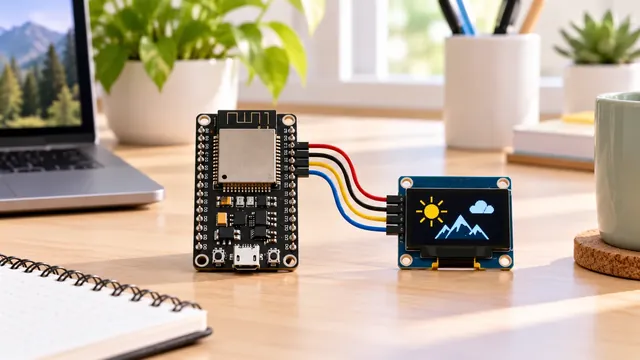
Connect OLED Display with ESP32
Wire a four-pin SSD1306 I2C OLED to ESP32 using 3.3 V, GND, SDA on GPIO21, and SCL on GPIO22 in this site's examples,…
Start Mission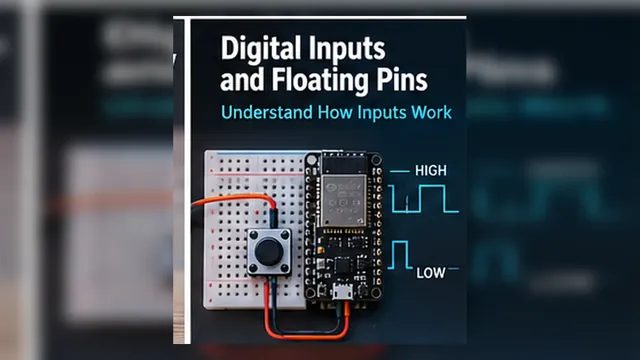
Understanding Digital Inputs and Floating Pins
A floating ESP32 input is a GPIO with no clear path to 3.3 V or GND. This mission shows why that creates random HIGH…
Start Mission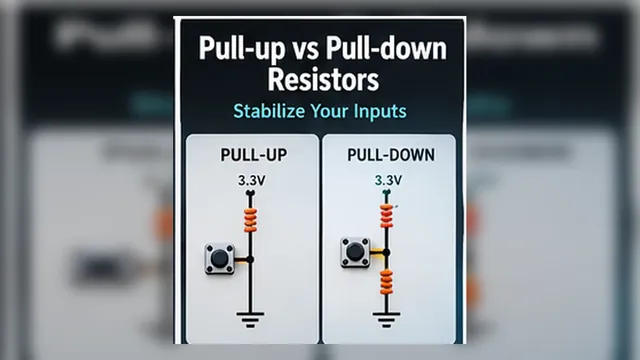
Pull-up vs Pull-down Resistors
Use a pull-up when an ESP32 input should rest HIGH, and a pull-down when it should rest LOW. This mission compares bo…
Start Mission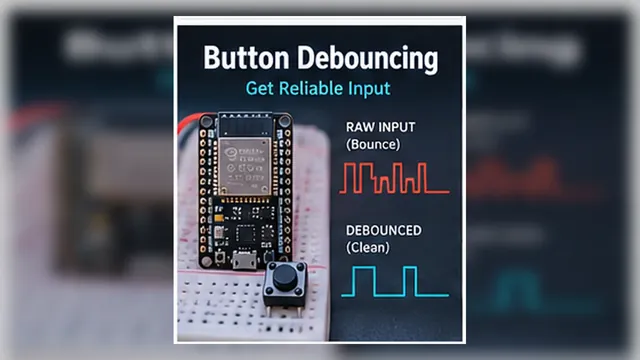
Button Debouncing
ESP32 button debounce means waiting until a mechanical button input stays stable before counting it. This mission wir…
Start Mission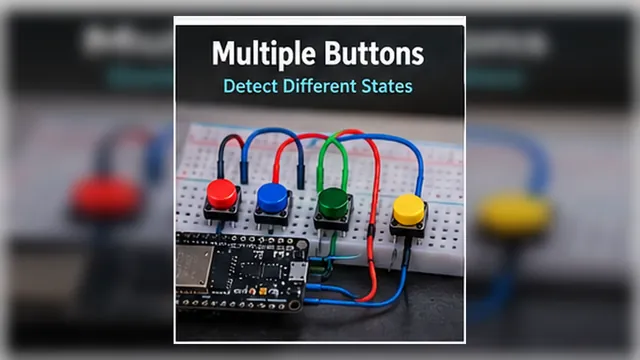
Multiple Buttons & State Detection
To connect multiple buttons to an ESP32, give each button its own GPIO and wire the other side to GND with INPUT_PULL…
Start Mission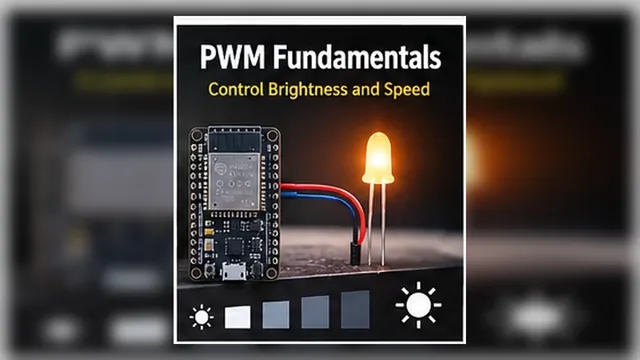
PWM Fundamentals
Digital pins can switch fully ON or fully OFF. PWM teaches the ESP32 to create useful in-between effects such as dim…
Start Mission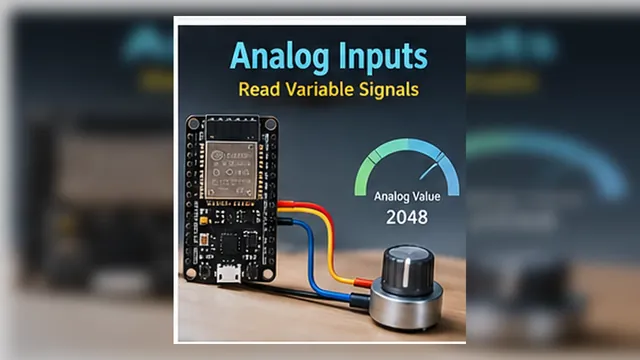
Analog Inputs
Buttons teach the ESP32 yes or no. Analog inputs teach it how much: how bright, how loud, how wet, how far, or where…
Start Mission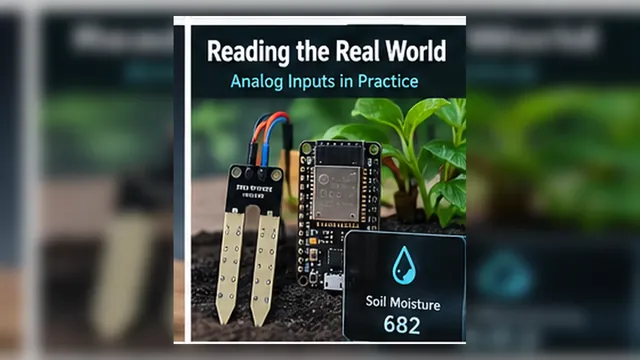
Analog Inputs: Reading the Real World
Buttons teach the ESP32 yes or no. Analog inputs teach it how much: how bright, how loud, how wet, how far, or where…
Start Mission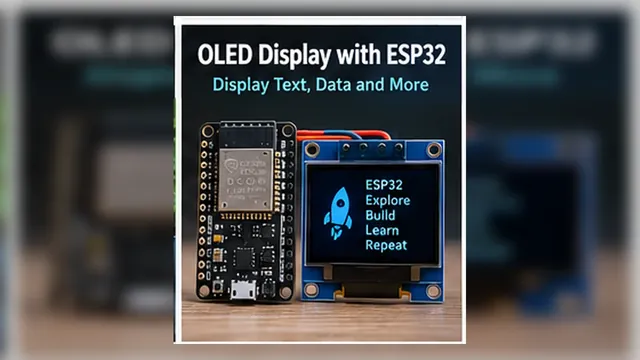
OLED Display with ESP32
This tutorial uses an SSD1306 I2C OLED display. Wire VCC to 3.3 V, GND to GND, SDA to GPIO21, and SCL to GPIO22, then…
Start Mission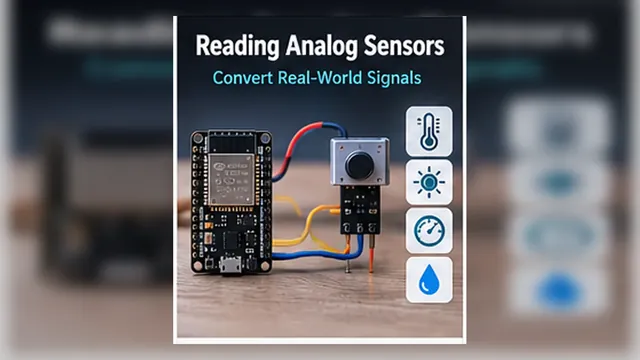
Reading Analog Sensors
A potentiometer is a dial you control by hand. Analog sensors use the same ADC idea, but the real world turns the dia…
Start Mission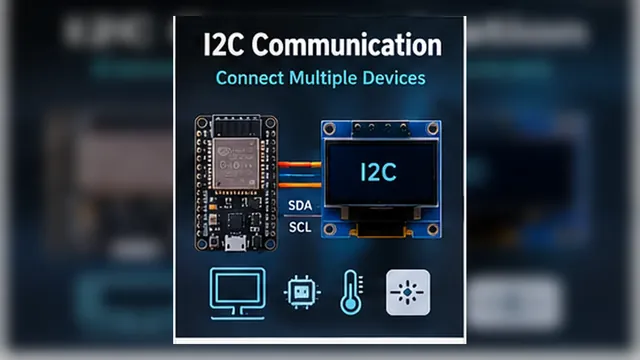
I2C Communication
I2C lets an ESP32 talk to displays and sensors over two shared signal wires: SDA for data and SCL for clock. This mis…
Start Mission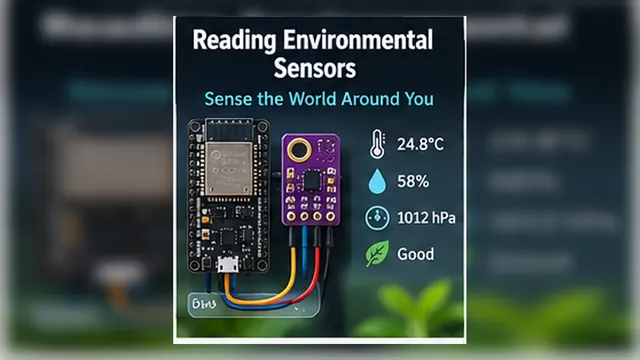
Reading Environmental Sensors
Embedded systems become useful when they observe the physical world. In this mission, your ESP32 reads air conditions…
Start Mission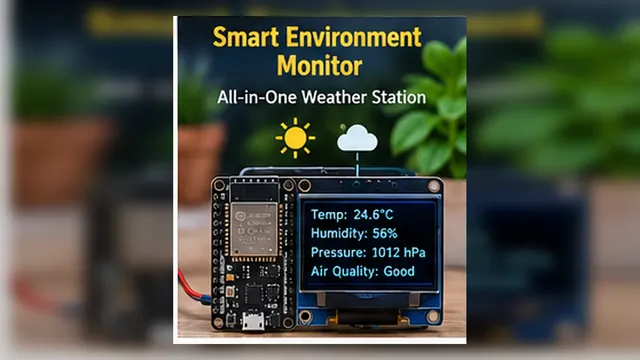
Smart Environment Monitor
This final Foundation mission combines sensors, displays, buttons, GPIO, decisions, and debugging into one complete e…
Start MissionReference Guides
2 background articles for deeper reading after your first missions.
 Reference GuideBeginner
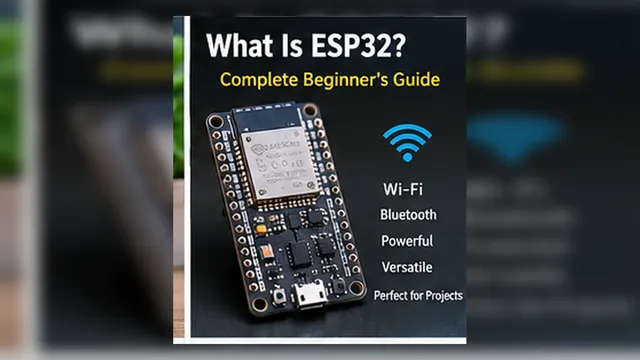
What Is ESP32? Complete Beginner's Guide
ESP32 is a low-cost, Wi-Fi and Bluetooth capable microcontroller that lets you build connected sensors, automation, and IoT devices without a separate comput…
Read Guide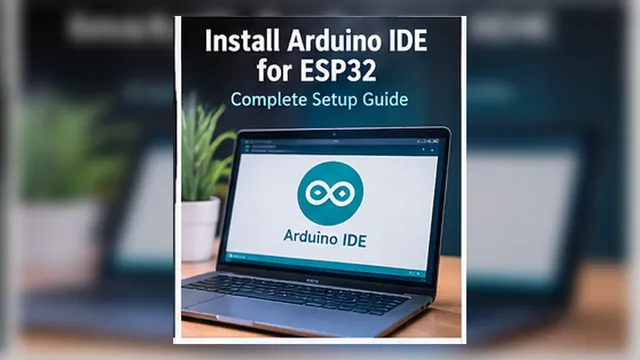 Reference GuideBeginner
Installing Arduino IDE for ESP32: Complete Setup Guide
Before you wire sensors or publish Wi-Fi dashboards, your computer must recognize the ESP32 DevKit and compile firmware with the correct board package. This…
Read Guide